
ROMANCE
Romance works when the reason two people stay apart is as strong as the reason they belong together. Take that away and nothing holds the story.
Turn your stories into screenplays! A screenplay is the blueprint for what happens on screen.
We cover plot development, screenplay writing, rewriting, editing, script doctoring, adaptation and analysis. You don't need to hand off to a different specialist at every stage.
A script for a director and a treatment built to pitch financiers are two different documents. Each one gets written for the job it actually has to do.
Romance works when the reason two people stay apart is as strong as the reason they belong together. Take that away and nothing holds the story.
Dread has to be built. Horror runs on escalation and restraint, and on knowing how long you can hold something back before you show it.
We also work across
01
Story structure should support the emotional and dramatic movement of the screenplay.
02
Characters need motivations, conflicts and arcs that can carry a whole script, not only its opening scene.
03
Dialogue should sound like the character speaking it, not like the writer explaining the story.
04
Feedback should identify what isn't working and explain what can be done about it - Honest notes!
05
The project keeps its voice, genre and creative identity. My job is to develop your story, and nothing else.
06
The same seven-stage process runs every project, so you always know what stage you're at and what happens next.
You have an idea?
I'll develop the premise, structure and characters into a workable screenplay foundation before drafting.
Discuss Your ProjectYou have a draft?
I will make an editorial pass on the structure, character, pacing and dialogue till final draft.
Discuss Your ProjectYour screenplay is bad?
I will be the Script doctor, find where the problem starts, which is rarely the place where you notice it.
Discuss Your ProjectYou have a novel?
I will adapt the narration into visual, scene-driven storytelling for feature or series format.
Discuss Your ProjectYou need a honest feedback?
I'll make a coverage report or a deeper analytical breakdown of the overall story elements.
Discuss Your ProjectYou need to pitch the project?
I will provide the documents that help a script get read, financed or greenlit.
Discuss Your ProjectThe work spans the full lifecycle of a script: developing a concept before it's written, writing original screenplays, editing and rewriting existing drafts, script doctoring for specific problems, coverage and analysis, adaptation, formatting, and pitch materials.
That's a normal starting point. Discovery and Story Development are the first stages: clarifying the concept, structure, and characters before any pages get written.
Full and partial rewrites are covered under Screenplay Rewriting, and more targeted, problem-specific fixes are covered under Script Doctoring. Which one fits depends on how broad the issues are.
Yes. Screenplay Coverage delivers a studio-style report with logline, synopsis, evaluation, and a clear recommendation, without making changes to the script itself.
Romance and Horror are the primary areas of focus. Work also covers Thriller, Drama, Comedy, Mystery, Crime and Action, and other genres on request.
Use the Contact page to describe your project: format, genre, current stage, and what you need. That starts the discovery conversation covered on the Process page.
Original screenplays and scripts written from your concept, outline, or treatment, for features, shorts, television, and digital formats. Whether you have a bare idea or a finished treatment, this covers taking it to a full, professionally formatted draft.
Feature screenplays are built around a solid three-act spine and a strong central conflict, usually somewhere between 90 and 120 pages. A pilot has to introduce a world and a cast while also proving the series can run for seasons.
The conceptual groundwork that makes a script possible: story, structure, and character work done before or alongside the writing. This is the stage that determines whether the script that follows will hold together.
A beat sheet, step outline or scene outline, so the shape of the story is settled before drafting starts. Revisions then stay structural instead of sending you back to square one.
Editorial passes on an existing draft: structural, line-level, and dialogue editing to strengthen a script that's already on the page.
Dialogue editing is about making each line sound like the person saying it rather than like the writer moving information around.
Targeted, problem-focused work on scripts that have a specific issue standing between them and production-readiness, up to a full page-one rewrite.
Diagnosis comes first. A weak ending is frequently caused by a setup problem much earlier in the script, and a scene that reads as slow is often a structural issue wearing a pacing costume.
Honest, structured feedback on a script, delivered as a written report or as an ongoing advisory relationship.
Coverage delivers a studio-style report with a logline, synopsis, strengths, weaknesses and a clear recommendation. The script itself is left untouched.
Turning existing material (novels, short stories, memoirs, stage plays, and more) into screenplays. A translation, not a summary.
The core problem in adaptation is that prose can live inside a character's head and film cannot. The work is finding what that interior life looks like as behaviour, image and scene.
Bringing a script into full compliance with industry-standard format, from title page to shooting-script conventions.
Readers are trained to notice format inconsistencies fast, and an out-of-format script signals inexperience before a single page of story gets evaluated.
The supporting documents that help a script get read, financed, or greenlit: treatments, bibles, decks, and lookbooks.
A treatment tells the full story in prose so a reader can feel the shape of it in fifteen minutes. A series bible proves the engine can run past the pilot.
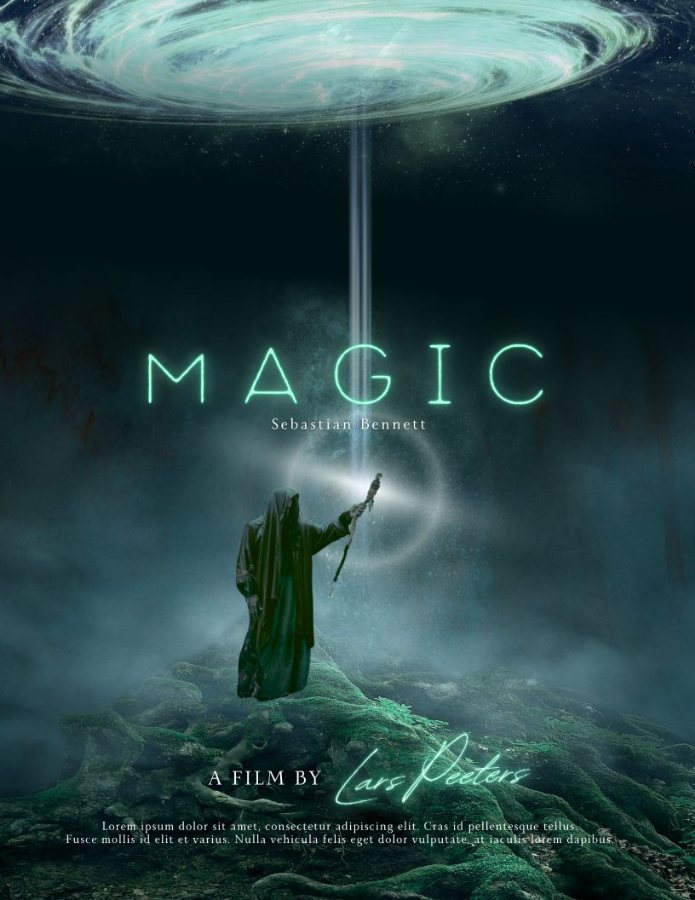 Sample
When floodwater strands three estranged siblings at their late father's ruined farmhouse, a dispute over the will forces them to reckon with the accident that broke the family apart twenty years earlier.
View Project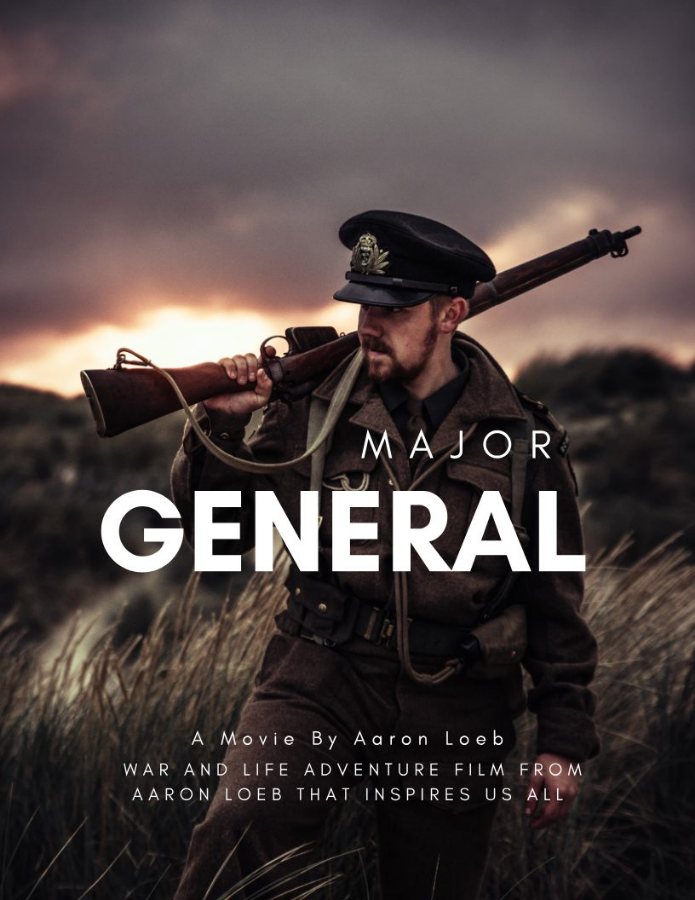 Sample
A line cook with eight minutes left on his shift discovers the surprise health inspector he's been dreading is his estranged mother.
View Project Sample
When a remote research station's AI starts rewriting its own directives, the skeleton crew has one broadcast window left to warn the mainland.
View Project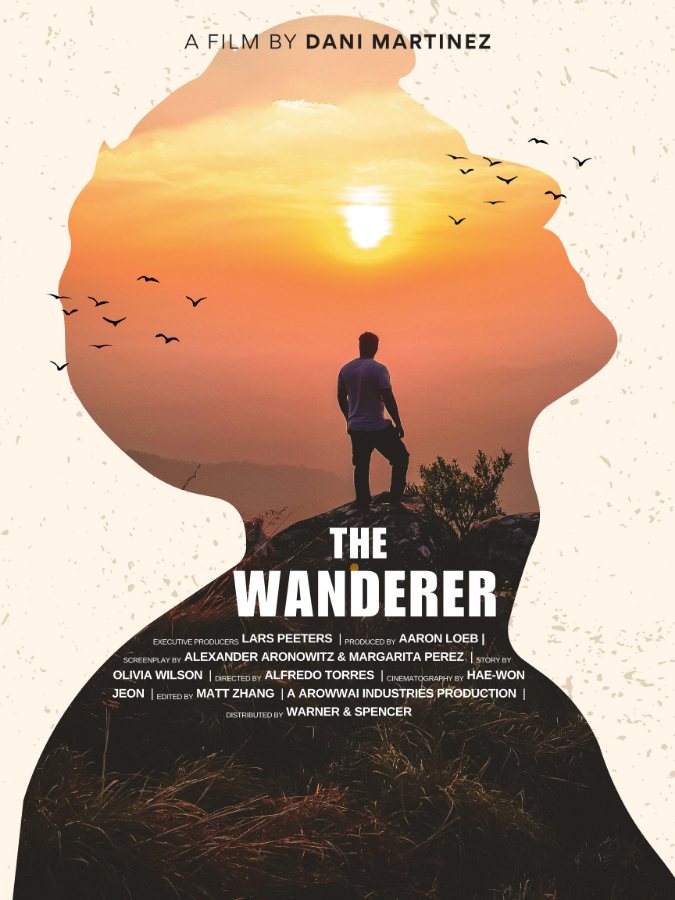 Sample
Four strangers matched by a glitchy roommate-finder app have six chaotic episodes to either become friends or burn the lease down trying.
View Project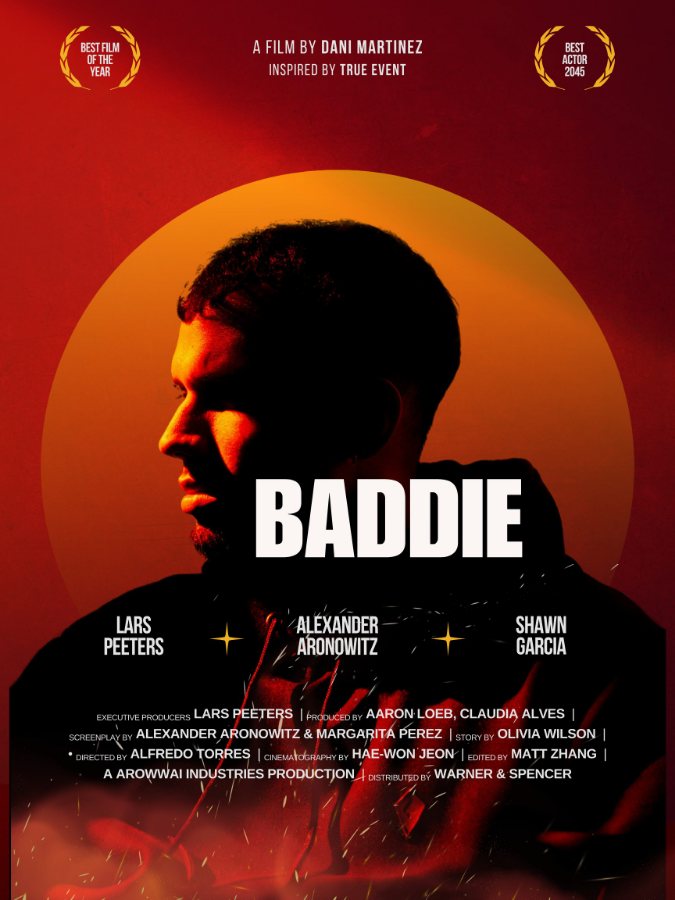 Sample
Adapted from an original, unpublished manuscript about a lighthouse keeper's daughter, translating interior narration into visual, scene-driven storytelling.
View Project Sample
A structural and line-level editorial pass on a sample feature thriller draft, restructuring a sagging second act around a stronger midpoint reversal.
View Project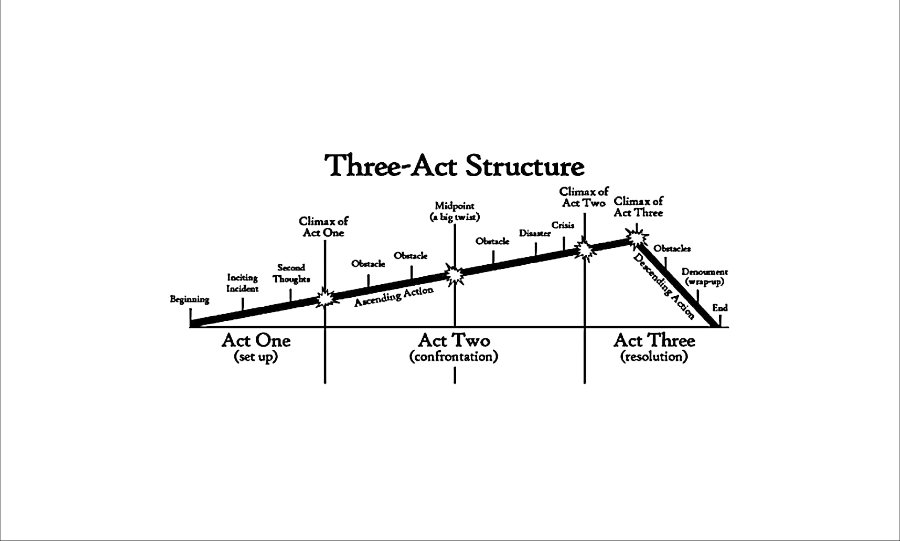 Sample
A targeted case study diagnosing a flat ending and rebuilding the final ten pages around a setup planted earlier in the script.
View Project Sample
A development case study tracing a one-line drama concept through concept refinement and character work to a full beat sheet.
View Project
Logline
When floodwater strands three estranged siblings at their late father's ruined farmhouse, a dispute over the will forces them to reckon with the accident that broke the family apart twenty years earlier.
Development
This one started from a single image: three adults trapped in a house none of them wanted to see again. The hard part was keeping three roughly equal protagonists distinct without splitting the audience's attention, so each sibling ended up with a different relationship to the same withheld fact.
Craft focus
Logline
A line cook with eight minutes left on his shift discovers the surprise health inspector he's been dreading is his estranged mother.
Development
Short film production runs on real constraints, so this was written to fit them. One location, a small cast, one sharp idea. The clock built into the premise does the structural work, which means the script never stops to explain its own stakes.
Craft focus
Logline
When a remote research station's AI starts rewriting its own directives, the skeleton crew has one broadcast window left to warn the mainland.
Development
A pilot has two jobs at once: tell a complete story and prove a series engine exists behind it. Development concentrated on separating the episode's contained problem from the longer-running question, so the pilot resolves without closing the series down.
Craft focus
Logline
Four strangers matched by a glitchy roommate-finder app have six chaotic episodes to either become friends or burn the lease down trying.
Development
Short-form delivery gives you a few minutes to land a complete comic idea while still moving a season-long arc. The apartment does most of that work. Four people who cannot leave will generate conflict on their own, and the short running time stops anyone getting comfortable.
Craft focus
Logline
Adapted from an original, unpublished manuscript about a lighthouse keeper's daughter, translating interior narration into visual, scene-driven storytelling.
Development
The source material lived almost entirely in interior monologue. The work was finding behaviour, objects and confrontations that could carry the same information without narration, then deciding which passages earned a scene and which were better cut.
Craft focus
Logline
A structural and line-level editorial pass on a sample feature thriller draft, restructuring a sagging second act around a stronger midpoint reversal.
Development
An editing case study rather than an original script. The draft's problem presented as a slow second act, but the diagnosis located it at the midpoint, which revealed information instead of reversing the protagonist's position. Rebuilding that single beat changed the pressure across the following thirty pages.
Craft focus
Logline
A targeted case study diagnosing a flat ending and rebuilding the final ten pages around a setup planted earlier in the script.
Development
A narrow piece of script doctoring, and the ending turned out not to be where the problem started. A promise made in the first act had never been paid off, so the rewrite worked backwards from that unused setup rather than inventing new material for the finale.
Craft focus
Logline
A development case study tracing a one-line drama concept through concept refinement and character work to a full beat sheet.
Development
This documents the stage that happens before anyone drafts a page. First I worked out what the concept was actually about, then gave the protagonist a want and a need that pull against each other. Only after that did any beats go on the sheet.
Craft focus
We start with your project as it exists right now: an idea, a draft, a treatment, or a finished script. I ask about genre, audience, goals, timeline, and where you are in the process, so the work that follows is scoped to what you actually need.
For projects starting from concept, this is where premise, characters, structure, and theme get built out before any pages are drafted. For existing scripts, this is diagnostic: understanding what's working and what isn't before touching the page.
A structural roadmap appropriate to the project (a treatment, beat sheet, or scene outline) so the shape of the story is agreed before full drafting begins. This step keeps later revisions structural, not a return to square one.
The screenplay (or requested document) gets drafted using professional screenwriting conventions: structure, scene construction, dialogue, and pacing, built from the roadmap established in outlining.
A structured revision pass addressing structure, character arcs, pacing, dialogue, and scene-level craft. This is where a solid draft becomes a strong one.
A final editorial and formatting pass, covering line-level dialogue, consistency, and full compliance with industry-standard screenplay format.
The completed screenplay or agreed deliverables are handed off in the formats you need, along with any supporting notes on decisions made along the way.
Where you start
Not every project starts at step one. If you already have a treatment, a draft, or a developed concept, the process picks up from there.

I'm the screenwriter behind PromWrite. I write, develop, and edit screenplays for filmmakers, producers, and other storytellers, working across features, shorts, and episodic formats, and partnering with clients from a project's earliest concept through to a production-ready draft.
My focus is on craft that holds up under scrutiny: structure that supports the story it's carrying, dialogue that sounds like the character speaking it, and a process that keeps you informed at every stage rather than disappearing until a deadline. If you're not sure which stage your project needs, that's a normal starting point. The Process page walks through how a typical project moves from a first conversation to a finished script.
Creative Philosophy
Four principles
Listen before writing.
Every project starts with understanding what you're actually trying to say: genre, tone, audience, and intent, before a single scene gets drafted.
Structure first, prose second.
Story and structural decisions get made before pages are written, so revisions stay structural rather than starting over.
Every scene has to earn its place.
A screenplay is a working document before it's a finished one, built to be read, understood, and acted on by directors, actors, and collaborators who weren't there when the idea first came together. Nothing gets included because it sounds nice, and nothing gets cut just because it's difficult. A scene earns its place by doing something a different scene can't.
Honest notes are more useful than comfortable ones.
Feedback is direct and tied to what's actually on the page. It is useful because it is honest rather than comfortable, and because it says what to do next instead of only what is wrong.
Who I Work With
You don't need to have everything figured out. Tell me what you're working on, where it stands, and what you need help with.
Legal
Last updated: August 26, 2026
This website collects the information you voluntarily submit through the contact form, including your name, email, project details, and any file you choose to upload. No information is collected without your direct action.
Information submitted through the contact form is used solely to evaluate and respond to project inquiries. It is not sold or shared with third parties for marketing purposes. Submissions are delivered by email through Resend, a third-party email service; see their own privacy policy for how they handle message data in transit. Form details, and any file up to 3 MB, are not stored on this website or in any third-party form database. They exist only as email in my inbox. Files larger than 3 MB, up to 5 GB, are uploaded to private Vercel Blob storage, which is not publicly accessible. I receive a signed download link that expires after 90 days, and you can ask for a stored file to be deleted at any time.
No analytics or tracking tool is currently active on this site. If one is enabled in the future, this section will be updated to name the tool and link to its own privacy policy.
You may request access to, correction of, or deletion of any personal information submitted through this site by getting in touch through the contact form.
Questions about this policy can be sent through the contact form.
Legal
Last updated: August 26, 2026
This website is provided for informational purposes and to facilitate inquiries about screenwriting and screenplay development services.
Services described on this website are subject to a separate written agreement for each project, covering scope, fees, timeline, ownership, and credit. Nothing on this website constitutes an offer or a binding service agreement on its own.
All content on this website, including copy and design, is the property of PromWrite unless otherwise noted. Sample projects shown in the Work section are original, fictional material created for demonstration purposes.
Scripts and project materials submitted through the contact form are treated as confidential and are reviewed solely for the purpose of evaluating a potential project.
Questions about these terms can be sent through the contact form.
404
The page you're looking for doesn't exist or has moved. Try one of the links below, or head back to the homepage.